

Home » Students & Family » Programs & Services » Life Skills Program
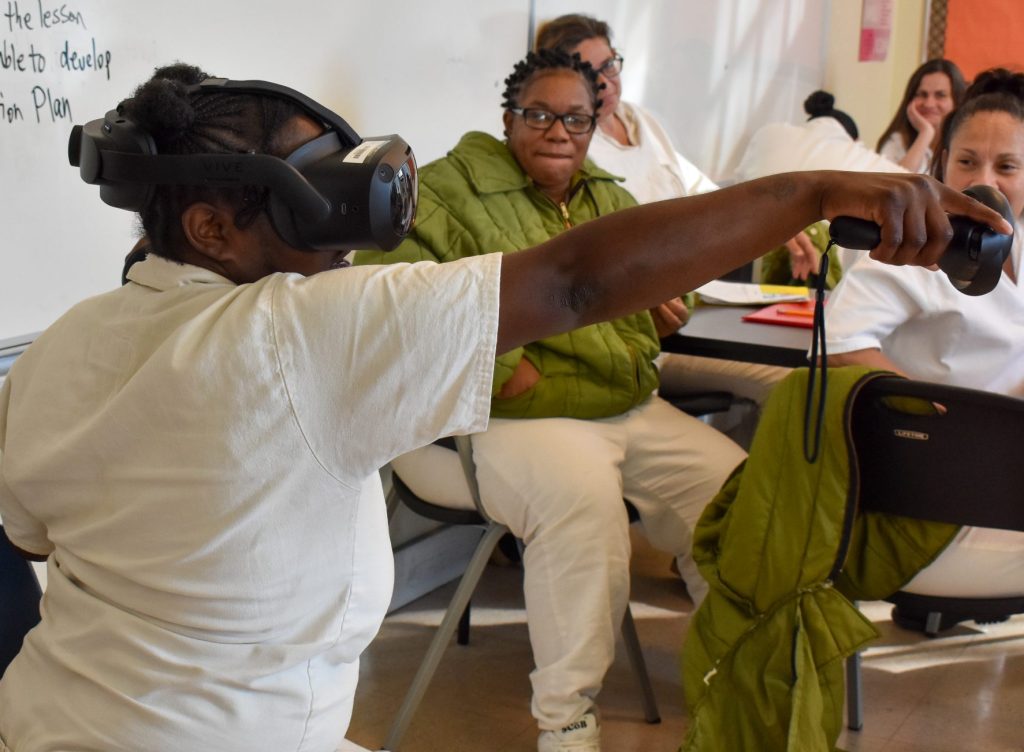
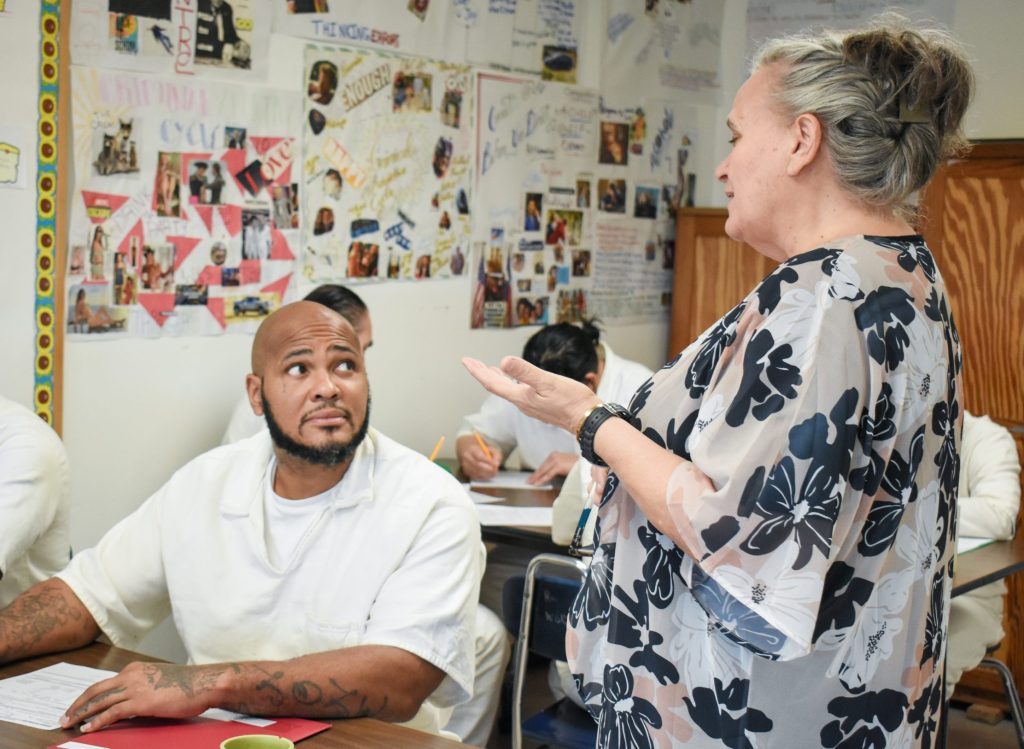
The Life Skills program is designed to help students constructively address criminal thinking patterns and develop the interpersonal skills essential for success with employers, family members and communities where they will reside. Life skills programming includes the Changing Habits and Achieving New Goals to Empower Success (CHANGES) pre-reentry program, the Cognitive Intervention Program (CIP) and the Parenting program.
Geared toward students within two years of potential reentry, CHANGES is a 180-hour life skills program that is designed to introduce students to basic life skills and necessary characteristics needed to successfully navigate reentry into their communities.
The CHANGES curriculum addresses personal development, healthy relationships, living responsibly, drug education, psychological development, health education and resources for reentry. Students are also prepared to navigate the workforce and difficult job market by using pre-established templates to create resumes and participate in mock interviews to become familiar with the job-search process, leading to gainful employment.
CIP provides strategies to address thinking errors and reduce problematic behavior. Through active learning and real-life scenarios, the curriculum helps students connect their thoughts and beliefs to their actions. By mastering interpersonal problem-solving and critical reasoning, students learn to meet their needs responsibly, fostering personal accountability and productive community membership.
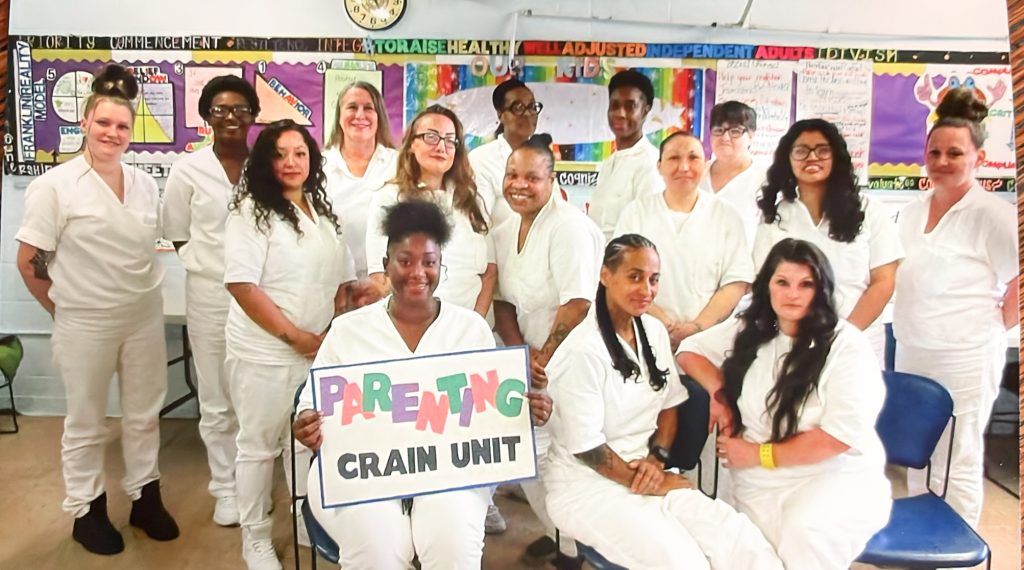
Parenting is a 70-90–hour program that addresses productive parenting skills utilizing the Prep to Parent curriculum. This education model is communication-based and interactively designed to support and develop healthy family relationships. The program addresses relationship needs, discipline, wellbeing, healthy communication skills and household management. Participants engage in an introspective process of positive personal change.
Windham partners with the Department of Family Protective Services (DFPS) to refer TDCJ residents with open Child Protective Services cases to complete district programs. DFPS caseworkers can submit referrals for students to enroll in parenting, cognitive, academic or career and technical education programs using the link below.